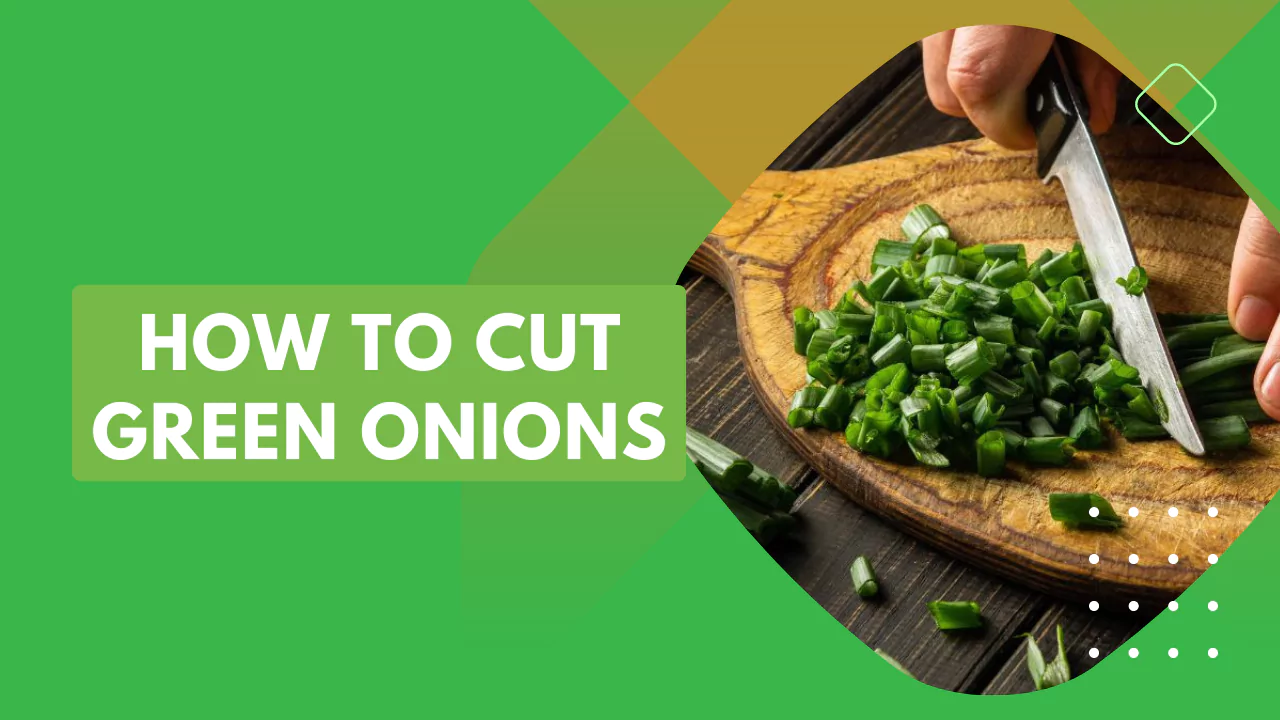
Elevate Your Cooking: Mastering Green Onion Knife Skills
In the vast world of culinary arts, mastering fundamental knife skills stands as a cornerstone for any aspiring home cook or seasoned chef. While the thought of dicing an onion might induce tears, learning how to cut green onions offers a surprisingly accessible and incredibly rewarding entry point into developing precision, efficiency, and confidence in the kitchen. Green onions, also known as scallions, are not just a humble garnish; they are a versatile ingredient capable of transforming a dish with their vibrant color, fresh bite, and mild oniony flavor. From adding a delicate crunch to tacos to infusing stir-fries with aromatic depth, the way you slice these slender alliums can dramatically impact the final presentation, texture, and taste of your culinary creations.
You might wonder why an entire article is dedicated to something as seemingly simple as cutting green onions. The truth is, it's a fantastic practice ground. Their elongated shape, relatively soft texture, and varying parts (white base to green tops) provide ample opportunity to experiment with different techniques. By intentionally practicing diverse cuts, you'll not only enhance your green onion game but also build a solid foundation for handling more complex vegetables. Let's embark on a journey to sharpen your knife skills and unlock the full potential of this kitchen staple.
Preparing Your Green Onions for Perfection
Before you even think about making your first cut, proper preparation is key. This ensures hygiene, optimal texture, and a pleasant cooking experience. Think of it as laying the groundwork for your culinary masterpiece.
- Rinse Thoroughly: Green onions, like most produce, can harbor dirt and debris. Hold them under cool, running water, gently rubbing away any soil, especially between the layers of the white bulb.
- Pat Dry: Excess moisture can make green onions slippery, increasing the risk of knife accidents and making precise cuts more challenging. Use a clean kitchen towel or paper towels to pat them completely dry.
- Trim the Ends: Slice off and discard the root ends (typically the bottom ½ to 1 inch). These are tough, stringy, and not palatable. Similarly, trim any dry, wilted, or discolored tips from the green stalks to ensure you're working with only the freshest parts. Some cooks also opt to peel off the outermost layer if it appears tough or damaged, particularly from the white sections.
Once prepared, you'll need a good setup. Always use a sharp chef's knife or a utility knife – a dull knife is more dangerous than a sharp one because it requires more force, increasing the chance of slipping. Pair it with a stable cutting board to prevent movement during slicing.
The Art of the Slice: Mastering Different Cuts
The beauty of green onions lies in their adaptability to various cutting styles, each yielding a unique aesthetic and functional purpose. Here are five essential ways to cut green onions, varying in complexity and visual appeal, allowing you to tailor your preparation to the demands of any recipe.
Tiny Rings (Crosswise Slices)
This is arguably the most common and fundamental cut for green onions. Tiny rings are perfect for even distribution of flavor and a delicate crunch, making them an excellent all-rounder.
- Technique: Place the cleaned green onions flat on your cutting board. Using a rocking motion with your chef's knife, simply slice the green onions crosswise into thin, uniform rounds. Aim for about 1/16 to 1/8 inch thickness.
- Ideal Uses: These small rings are fantastic as a garnish for soups, stews, scrambled eggs, tacos, and sandwiches. They blend seamlessly into salads, dips, and dressings, adding a subtle oniony flavor without overwhelming other ingredients. You can slice only the green parts for a vibrant finish, or include the white parts for a stronger flavor profile.
Thick Slices (Chopped)
When you want the green onion to stand out, both in texture and flavor, thick slices are the way to go. This cut allows the onion to hold its shape and develop a rich flavor when cooked.
- Technique: Similar to tiny rings, but you'll cut the green onions crosswise into thicker pieces, typically ¼ to ½ inch in thickness.
- Ideal Uses: These robust slices are excellent for dishes where green onions are a more prominent ingredient. They hold up beautifully under heat, making them perfect for stir-fries, roasts, grilling, or adding substantial texture and crunch to heartier salads. When grilled or roasted, they caramelize slightly, developing a wonderful sweetness and depth of flavor.
Bias Cut (Diagonal Slices)
The bias cut is a favorite among chefs for its aesthetic appeal, transforming a simple vegetable into an elegant garnish. The angled cut not only looks appealing but also exposes more surface area, which can enhance flavor release.
- Technique: Hold your knife at a 45-degree angle to the green onion. Slice across the stalk into small, elongated pieces. The length of the pieces can vary based on your preference and the dish's requirements.
- Ideal Uses: This cut is primarily used for garnishes, especially in Asian-inspired dishes, salads, and as a beautiful topping for main courses. The elongated shape adds a dynamic visual element and a pleasant, slightly softer texture compared to a straight crosswise cut. To master even more beautiful garnishes, check out our guide on Master Green Onion Cuts: 5 Techniques for Flavor & Visual Appeal.
Thin Strips (Julienne Technique)
For a sophisticated touch that adds both crunch and visual elegance, thin strips, or a "julienne" cut, are an excellent choice. This technique requires a bit more precision and a very sharp knife.
- Technique: First, cut the green onions into manageable lengths (e.g., 2-3 inches). Take a section and carefully make lengthwise cuts, creating very thin, matchstick-like strips. This is best done with a sharp chef's knife or even a smaller, more nimble paring knife for finer control. Always use a stable How to Cut Green Onions: Perfect Slices for Every Dish and maintain a "claw" grip with your non-dominant hand to protect your fingertips.
- Ideal Uses: Thin strips are fantastic for adding a delicate crunch and visual interest to salads, spring rolls, sandwiches, and as a refined garnish for main dishes. They offer a more pronounced textural presence than tiny rings but still integrate well into a dish.
Elegant Curls for Garnish
To truly impress, transforming green onions into delicate curls is a show-stopping garnish. This technique capitalizes on the green onion's cellular structure to create a stunning visual.
- Technique: Begin by slicing off the white part of the green onions, as only the green stalks will curl effectively. Stack several green stalks and cut them into very thin strips, ideally using a strong bias cut for longer strips. The longer and thinner the strip, the more dramatic the curl will be. Immediately place these thin strips into a bowl of iced water. The cold water will shock the cells, causing the strips to curl dramatically within 15-30 minutes.
- Ideal Uses: These elegant curls are purely for presentation. Use them to adorn appetizers, main courses, cocktails, or any dish where a touch of finesse and vibrant green color will elevate the dining experience.
Beyond the Cut: Tips for Green Onion Success
Mastering the cuts is one thing, but understanding the broader context of using green onions can further elevate your culinary prowess.
- Sharpness is Safety: A consistently sharp knife is not only more efficient but significantly safer. A dull knife is more prone to slipping, potentially causing injury. Regularly hone your knife and get it professionally sharpened when needed.
- Utilize Both Parts: Don't discard the white parts of the green onion! The white and light green sections have a stronger, more pungent flavor, similar to a mild onion, and are excellent when cooked (sautéed, stir-fried). The darker green tops are milder, fresher, and best used raw as a garnish or added at the very end of cooking.
- Regrowing Green Onions: A fantastic sustainable tip is to regrow your green onions. After trimming the root ends, place them in a small glass of water, roots down, on a sunny windowsill. Change the water daily, and within a week, you'll see new green shoots emerging, ready for harvesting.
- Storage Matters: To keep your cut green onions fresh, store them in an airtight container lined with a damp paper towel in the refrigerator. Whole green onions can be wrapped in a slightly damp paper towel and placed in a plastic bag in the crisper drawer.
Why Master These Cuts? The Impact on Your Cooking
Learning how to cut green onions in various ways is more than just a kitchen chore; it's an investment in your culinary skill set. Each cut serves a distinct purpose, influencing the flavor, texture, and visual appeal of your dishes:
- Enhanced Flavor Distribution: Different cuts expose varying amounts of surface area, affecting how the green onion's flavor permeates the dish. Tiny rings offer subtle bursts, while thick slices deliver a more substantial oniony punch.
- Textural Harmony: From the crisp snap of raw julienned strips in a salad to the tender, caramelized bite of grilled thick slices, the cut dictates the texture. This control allows you to balance the mouthfeel of your ingredients perfectly.
- Visual Appeal: We "eat with our eyes" first. A beautifully garnished dish, perhaps with elegant bias cuts or intricate curls, signals care and expertise, making the meal more enticing and enjoyable.
- Kitchen Confidence: With each practiced cut, you'll gain greater control over your knife, improve your speed, and develop a deeper understanding of food preparation. This confidence translates to more adventurous cooking and less stress in the kitchen.
Mastering the art of cutting green onions is a small but significant step in your culinary journey. It's an accessible way to practice fundamental knife skills, add versatility to your cooking, and elevate the presentation and flavor of everyday meals. So grab your knife, select your green onions, and start experimenting. With a little practice, you'll be slicing, dicing, and curling your way to delicious and beautifully presented dishes in no time.
