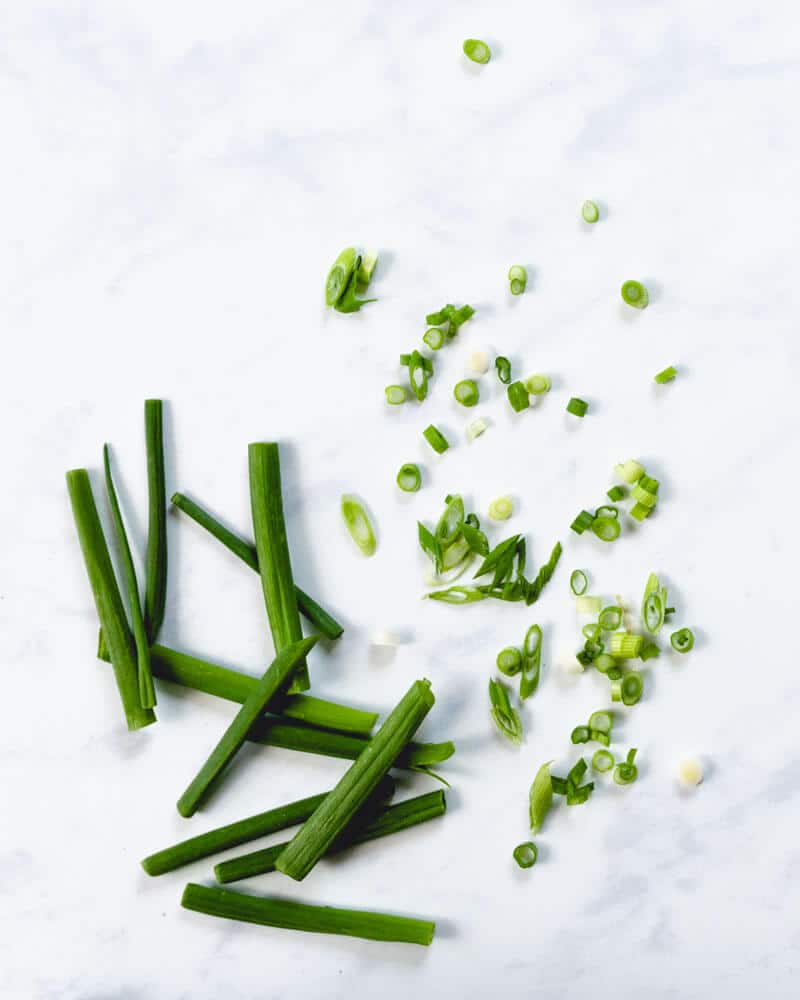
Unlock Culinary Excellence: Mastering How to Cut Green Onions for Every Dish
Green onions, also known as scallions, are a vibrant and versatile ingredient that can elevate almost any dish. From a simple garnish to a core component of a stir-fry, their fresh, mild onion flavor and crisp texture are indispensable in kitchens worldwide. While cutting green onions might seem like a straightforward task, mastering various techniques can significantly impact the presentation, texture, and flavor profile of your culinary creations. This comprehensive guide will walk you through the art of mastering green onion knife skills, ensuring you achieve perfect slices for every recipe.
Think of cutting green onions not just as a chore, but as an excellent opportunity to hone your fundamental knife skills. Precision and technique here translate directly into more visually appealing dishes and a more enjoyable eating experience. Let's delve into the essential steps, tools, and versatile cuts that will transform your green onion game.
Essential Preparation: Getting Your Green Onions Ready
Before you even think about wielding a knife, proper preparation of your green onions is paramount. This ensures cleanliness and optimal readiness for cutting, contributing to both hygiene and the longevity of your produce. Follow these simple steps:
- Rinse Thoroughly: Hold your green onions under cool, running water. Gently rub them to dislodge any dirt, soil, or lingering debris. Pay close attention to the white and light green sections where dirt tends to accumulate.
- Pat Dry Completely: After rinsing, lay the green onions on a clean kitchen towel or paper towels and gently pat them dry. Excess moisture can make them slippery, increasing the risk of accidents, and can also dilute flavors or affect cooking processes, especially if you're aiming for a crisp texture.
- Trim the Ends: Using a sharp knife, carefully trim off and discard the root ends (typically about 1/2 to 1 inch). These parts are tough, stringy, and generally undesirable for consumption. Simultaneously, look for any dry, withered, or discolored tips on the green stalks and trim those away as well to ensure a vibrant, fresh appearance.
- Optional: Peel Outer Layers: For very thick green onions, you might find that the outermost layer of the white part is slightly tough or damaged. You can gently peel this layer off, similar to how you might peel an onion, to reveal a more tender, succulent core.
With your green onions cleaned and trimmed, you're now ready to explore the exciting world of different cuts. Remember, a sharp chef's knife and a stable cutting board are your best friends here, providing safety and precision.
Mastering Versatile Green Onion Cuts for Every Culinary Need
The beauty of green onions lies not just in their flavor, but also in their adaptability to various cuts, each offering a distinct aesthetic and functional purpose. The way you slice green onions can dramatically change a dish, from adding delicate texture to providing a hearty crunch. Here are five essential ways to cut green onions, varying in complexity and visual impact:
1. Tiny Rings: The Classic Garnish
Ideal For: Soups, salads, tacos, stir-fries, sandwiches, garnishing virtually any dish where a delicate onion flavor and pop of color are desired.
This is arguably the most common and straightforward way to cut green onions. To create tiny rings:
- Place your cleaned, dry green onions on the cutting board.
- Using a sharp chef's knife, thinly slice the green onions crosswise. Aim for slices that are about 1/8 to 1/4 inch thick.
- For a uniform look, you can align several green onions parallel to each other before slicing.
Pro Tip: You can choose to slice only the vibrant green parts for a milder flavor and brighter appearance, reserving the white and light green sections for cooking or for growing more green onions at home!
2. Thick Slices: Robust and Flavorful
Ideal For: Grilling, roasting, stir-fries, hearty salads, or dishes where the green onion needs to withstand significant cooking time and develop a deeper flavor.
When you want your green onions to truly stand out and hold their own against other ingredients, thick slices are the answer. This cut allows the onion to caramelize beautifully, offering a sweeter, more intense flavor and a satisfying texture.
- Lay the green onions flat on your cutting board.
- Cut them crosswise into thicker slices, typically ranging from 1/4 to 1/2 inch thick.
- These robust pieces won't wilt away, making them perfect for dishes that require longer cooking times or a more substantial bite.
Insight: The increased surface area of a thick slice allows for better charring and caramelization, unlocking a new dimension of flavor compared to the raw, sharp bite of tiny rings.
3. Bias Cut: The Elegant Angle
Ideal For: Garnishing Asian-inspired dishes, adding visual flair to stir-fries, salads, or when you want an elegant presentation.
The bias cut is perhaps the most aesthetically pleasing way to cut green onions. The elongated, angled pieces add a touch of sophistication and interesting texture to your plate.
- Hold your green onion firmly on the cutting board.
- Position your knife at a 45-degree angle to the green onion.
- Slice into small, elongated pieces. The sharper the angle, the longer the pieces will be.
Chef's Secret: This cut not only looks beautiful but also exposes more surface area, allowing the green onion's flavor to integrate more readily into sauces and dressings.
4. Thin Strips (Julienne): For Texture and Crunch
Ideal For: Salads, spring rolls, sandwiches, wraps, or as a crunchy topping where you want a distinct, elongated texture.
Often referred to as the "Julienne" technique, creating thin strips of green onion adds a delightful crunch and visual interest. This cut requires a bit more precision and a very sharp knife.
- Start by cutting the green parts of the onion into manageable lengths, about 2-3 inches.
- Carefully slice each section lengthwise into very thin strips. Aim for uniform strips, similar to matchsticks.
- This can be done by gently flattening the green onion and then slicing, or by carefully running your knife along the length.
Safety First: For this particular cut, a sharp paring knife can offer more control than a large chef's knife. Always keep your fingers tucked in, guiding the knife slowly and steadily.
5. Curls for Garnish: The Showstopper
Ideal For: Elegant plating, impressive garnishes for appetizers, main courses, or fancy cocktails.
If you truly want to impress, green onion curls are a fantastic, relatively simple way to create a stunning garnish. These delicate spirals add height, texture, and a gourmet touch.
- Begin by trimming off the white part of the green onions, as only the green stalks will curl effectively.
- Stack several green stalks together. Using a very sharp knife, make a strong bias cut (a very steep angle) along the length of the green sections, creating very thin, long strips. The longer and thinner these strips are, the more pronounced the curl will be.
- Immediately transfer these thin strips into a bowl of ice-cold water.
- Within 10-20 minutes, the cold water will cause the fibers of the green onion to contract, forming beautiful, tight curls.
- Drain and use immediately for an exquisite presentation.
Expert Tip: Prepare these curls just before serving to maintain their crispness and vibrant color.
Practical Tips for Perfect Slices Every Time
- Keep Your Knife Sharp: A sharp knife is not only more efficient but also safer, as it requires less force and is less likely to slip.
- Secure Your Cutting Board: Place a damp paper towel or a non-slip mat under your cutting board to prevent it from sliding around, ensuring stability and safety.
- Use the Claw Grip: When slicing, curl your non-dominant hand's fingertips inward, creating a "claw" shape. This protects your fingers and allows the knife blade to glide along your knuckles, guiding the cut.
- Practice Makes Perfect: Don't get discouraged if your first attempts aren't flawless. Knife skills improve with consistent practice. Green onions are an inexpensive and forgiving vegetable to practice with.
- Consider the Recipe: Always read your recipe before you start cutting. The desired cut often dictates the texture and flavor contribution to the final dish.
Conclusion
Mastering how to cut green onions goes far beyond mere functionality; it’s about elevating your culinary artistry and understanding how different green onion cuts can transform a dish. By applying these techniques – from the everyday tiny ring to the elegant curl – you'll not only enhance the visual appeal of your food but also fine-tune its texture and flavor. So grab your sharpest knife, practice these essential knife skills, and unleash the full potential of this humble, yet mighty, vegetable in your kitchen. Happy slicing!
